Himotsav
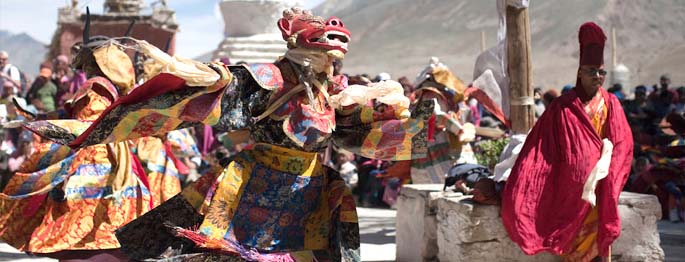
Himotsav is an iconic event celebrating the best of Nepal and Himalayan culture. Himotsav meaning the festival of Himalaya. Himalaya has its unique significance for both nations India and Nepal. Himotsav Aims to promote the enriched cultural Diversity of Himalayas thereby showcasing the new opportunities of tourism. There are few opportunities where cultural troupes from both India and Nepal showcase respective cultural diversities of the two nations at a single platform. A special moment where artists creates cultural cooperation in bringing the people of two nations closer. Himotsav will also present the Historical heritage of the Himalayan states and their significance in the present, encouraging the youth to explore their unique and significant heritage.
Himotsav Goals

Himotsav- "Uniting culture", aims to unify the cultural aspects of two nations on single platform. Focusing on not only cultural aspects but also inculcating the tourism and historical significance of the Himalayas. Himalaya the Abode of snow not only nourishes us with natural resources but also heals with its rich Herbs and Ayurveda. Spirituality has also the deep connection with Himalayas, the land of Gods. Himotsav is being organized by the joint venture of “Signature Eventos “ & “AMPP Media & Advertising “. Signature Eventos is an India Based Event management company And AMPP Media & Advertising is a Nepal based company.
Event Facts
1. Himotsav carnival : Its is an happening event in the form of roadshow showcasing the unique Historical & cultural diversity of the Himalayan region . Tableau showcasing the famous temples- “ Badrinath ,kedarnath, gangotri , yamunotri and many more . The old kingdoms of Himalayan region which will showcase the history of Himalayas.
2. Cultural Rampwalk : Many of us have seen fashion shows and famous fashion weeks , but when it comes to our culture we fail to remember what are the traditional outfits of Himalayan region. Here we come with the unique fashion event showcasing the traditional attires of the Himalayan region. Models will promote the traditional outfits of Kumaon, garhwal, Nepal , Jaunsar & Himanchali.
3. Historical Himalaya: We have often visited hill areas for recreation ,pilgrimage & Adventure or other purpose, but little we know about the history of the significant Himalayas. This event aims to promote the history , how Himalayas has been serving the two nations India & Nepal. 5 To 10 mins speech by the dignitaries of Government organizations on the significance of Himalayas in different fields such as agriculture, herbs & Ayurveda , Yoga , geopgraphical significance.
4. Himalaya ke Surr : Most of us have seen Bollywood movie songs showcasing the beauty of Himalayas in between, but the real music here is quite different . Some young Artists have taken initiative to promote the local language and local music of Himalayas vocal as well as instrumental. Musical Instruments like Dhol -damaun, bagpiper , Ransingha have been forgotten by us nowadays. This musical event is totally focused on performances by the young talented artists who are working for the promotion of the local music. Performances will be bases on Garhwali , Nepali, Kumaoni , jaunsari & himachali culture.
5. Nritya : As the word itself describes , it is a dance based event showcasing the diverse culture of india And Nepal . There will be different dance performances based on Garhwali, Nepali, Kumaoni , jaunsari & Himachali culture along with traditional outfits. There are few occasions when we get the opportunity to enjoy two different
Historical Significance of Himalayas
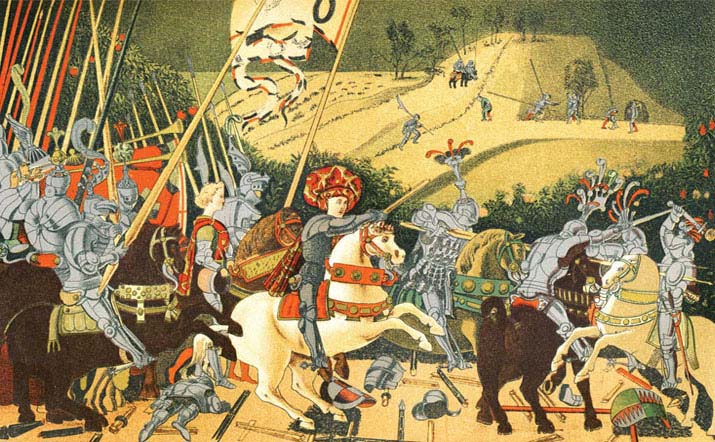
Himalayas Mountains, one of the most relevant geographical characteristic of India. They give a unique identity of India because of their numerous features. Himalayas play a vital role in the history of India. The name HIMALAYA is a Sanskrit word , meaning HIMA means SNOW and ALYA means ABODE They stretch to the north of India. They start from the northwest of India, the Pamir, towards the northeast. They have a length of 2560km, and an average breadth of 240 to 320 km.
Himalayas is known in its Historical religious and geographical importance. In past years, it has a lot of pertinence in various aspects like, it acted as a guard from various invasion, a border and a meeting ground for numerous culture, religious and races. It also act like a wall between India and Tibet. Inspire of these barriers individuals did not stopped from pursuing adventurous journey in order to explore the unknown side of the ranges. The trans- Himalayan region was a key centre for trade and commerce because of the popular silk route, this region gained importance during the dynasty i.e. 206 B.C. to 8 A.D. The route connected central Asia with South Asia, and created a bridge between culturally and religiously diverse countries such as India, China, Afghanistan, Nepal, and Bhutan.
Himalayan passes in the North West, Khyber, Bolan, Kurram, Gamal- provided easy routes between India and China. They are situated in the Hindukuch, Sulaiman and Kirdhr Himalayaan ranges. Himalayan passes also acted as an entrance on the India. Aryans, the Indo- Greeks, Parthians, Sakas, Kuohanas, Hunas AND Turks. Swat valley is said to be another important route by which Alexander of Macedon the merchants, invading missionaries, arinies, entered India. These routes were very helpful in building trade and culture contacts between India and China. Himalayas are also considered as an attention to the Indus valley civilization, which is the oldest Indian civilization. In 1856, in the foot hills of the Himalayas the twin cities of Mohenjo-Daro and Harappa was discovered. And so, Himalayas are considered historically rich.
Himalayan passes in the North West, Khyber, Bolan, Kurram, Gamal- provided easy routes between India and China. They are situated in the Hindukuch, Sulaiman and Kirdhr Himalayaan ranges. Himalayan passes also acted as an entrance on the India. Aryans, the Indo- Greeks, Parthians, Sakas, Kuohanas, Hunas AND Turks. Swat valley is said to be another important route by which Alexander of Macedon the merchants, invading missionaries, arinies, entered India. These routes were very helpful in building trade and culture contacts between India and China. Himalayas are also considered as an attention to the Indus valley civilization, which is the oldest Indian civilization. In 1856, in the foot hills of the Himalayas the twin cities of Mohenjo-Daro and Harappa was discovered. And so, Himalayas are considered historically rich.
Geographical Significance of Himalayas
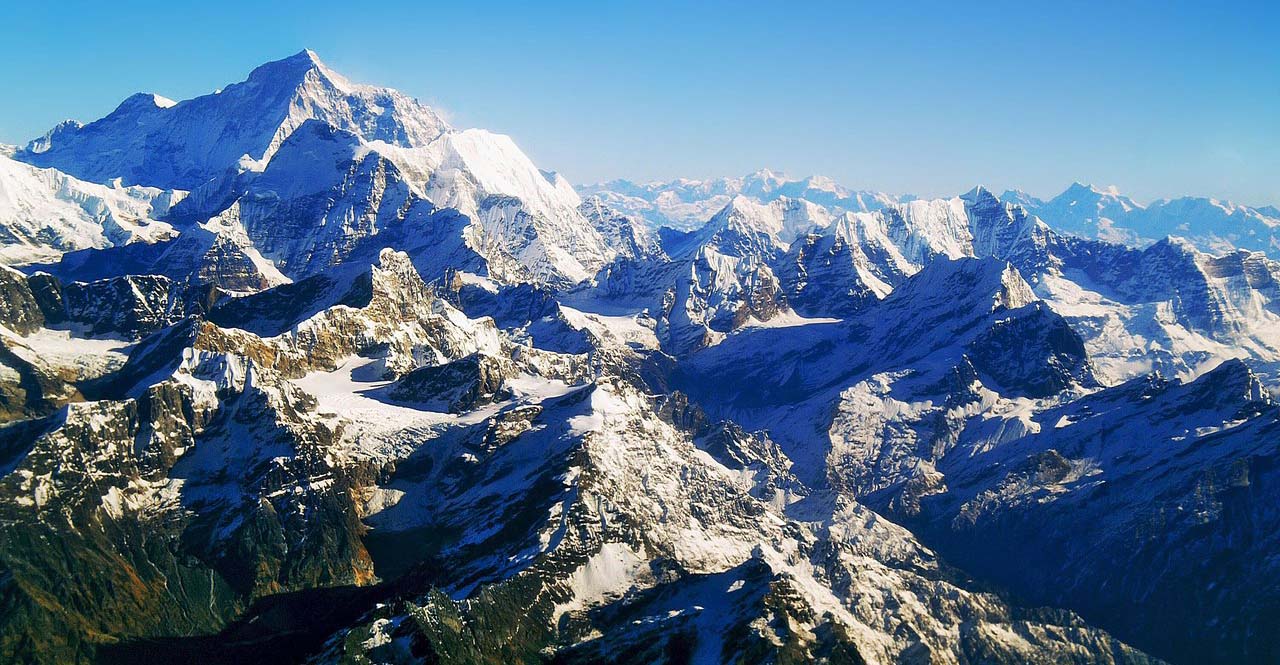
The Himalayas comprises of the most influencing geographical feature of India, as no other mountain range hold such significance as the Himalaya have in respect of India . Being extraordinarily large, Himalayas play a very important role in regulating the climate of India by the inherent power of their high altitude, length and direction, they effectively divert the summer monsoons coming from the Bay of Bengal and Arabian sea and cause precipitation in the form of rain and snow other than, they also manage to stop the cold continental air mass of central Asia from entering into India. Absence of Himalayas, would have led to a severe climate condition in the whole of India by making the summer extremely hot in the absence of precipitation and unbearable winter under influence of cold air moves from central Asia According to the latest meteorological studies, the Himalaya plays a vital role for the arrival of mansion in India, by the split of Jet streams into two branches. Almost all the great rivers flows down from the Himalayan range. Ample rainfall and extensive snow fields as well as large glacier are the feeding ground of the rivers of India.
These rivers are perennial and are fed by snow melt during summer. The Himalayan rivers and their hundreds of tributaries, contribute a major part in the life of people of north India .These rivers carry a large amount of alluminium while coming down from the Himalayan which are further get deposited in the great plain of north India in form of fertile soil, making the plain one of the most fertile land of the world. It is said that the great plain of north India is a gift of the Himalaya as, it has been estimated that the Ganga and Indus carry 19 and 10 lakh tones of silt per day respectively and the silt carried by the Brahmaputra is even more.
The Himalayan ranges also provide us a variety of forest resources like the fuel wood and a large variety of raw material for forest based industries. Himalayan ranges also comprises of vegetal cover from the tropical to the Alpine. Besides many plant having properties of medicine are grown in the Himalayan region .Numerous patches are covered with grass that is useful for the cattle grazing. Himalayas also provides slopes that are terraced for cultivation for variety of crops such as Rice, Wheat, Maize, Potatoes, Tobacco and Ginger. On the other hand, Tea is the unique crop which can be grown on the hill slopes only. Apart from this, a wide variety of fruits are also grown in the Himalayan region namely –Apple, Pears, Grapes, Mulberry, Walnut, Cherries, Peaches, Apricot etc.